| Access |
.
|
| . |
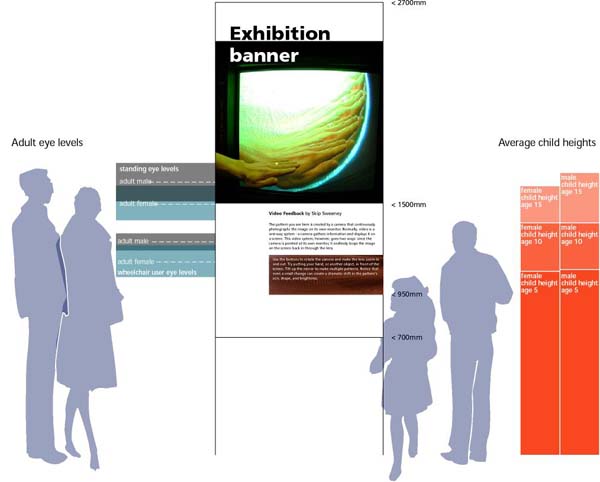
When placing objects on display the position and orientation must be considered to enable the visual access, and sometimes physical access, to objects on display for as wide a range of people as possible. Each object and associated information, labels etc. must be considered individually to maximise its view-ability, but also its placement in relation to its adjunct interpretive information, and in relation to other adjacent material, and the composition of the display case interior, and items external to case.
It must also be remembered that as soon as these objects are being viewed the visitors themsleves may obscure other people's view. More popular objects may have to be placed in cases with a greater viewing angle e.g. 360º glass case.
|
. | ||||||||||||||||||||||||||||||||||||||||||||||||||||||||||||||||||||||||||||||||||||
| A Specifiers' Guide for Display Cases |
||||||||||||||||||||||||||||||||||||||||||||||||||||||||||||||||||||||||||||||||||||||
| Guide to High Attack Resisting Display Cases |
||||||||||||||||||||||||||||||||||||||||||||||||||||||||||||||||||||||||||||||||||||||
 |
 |
| Access | . |