| . |
Damage by physical force is probably the most common and most easily recognisable cause of damage to objects on display, Many objects are easily damaged if not handled with great care, and the additional processes of object conservation, survey of object sizes and weight to plan display and mounting and then installation puts objects under additional risk during their preparation for display. It is imperative that an object should not be altered to facilitate display, and therefore it is essential that all work is carried out away from the object and then assembled with the least amount of disturbance, i.e. display mounts must be tested to check their fit before final installation.
Moving objects
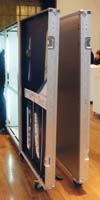
Part of the process of display may involve moving an object to a new location. The display survey must also plan the access route to ensure that there is enough clearance for the object, its container, the moving vehicle and staff that may also be required to facilitate this move. Often it may be necessary to move large or very fragile exhibits at times when the Museum is closed to the public to the object or visiting public are not put at risk during this period.
Recommendations
- Objects should be handled only when necessary and then only by experienced people.
- Objects should not be on open display and touchable unless they are immune to deterioration or expendable.
- Objects which are on open display should be guarded against accidental contact and deliberate vandalism.
- Mount design should accommodate the weight, shape and strength of the specimen.
- Mount design should allow access by staff for the examination, treatment and removal of the object.
- Major construction work should be complete before objects are installed in the gallery.
|